
8 Kids Bedroom Ideas Parents Wish They’d Found Sooner
Most parents figure out kids bedroom ideas the hard way — through trial and error, a couple of expensive mistakes, and at least one piece of furniture that got outgrown within a year. There’s a version of decorating a kid’s room that actually holds up, though, and it usually comes down to planning for how the room will be used rather than just how it’ll look on day one. These eight ideas cover the stuff most parents wish someone had told them before they started buying.
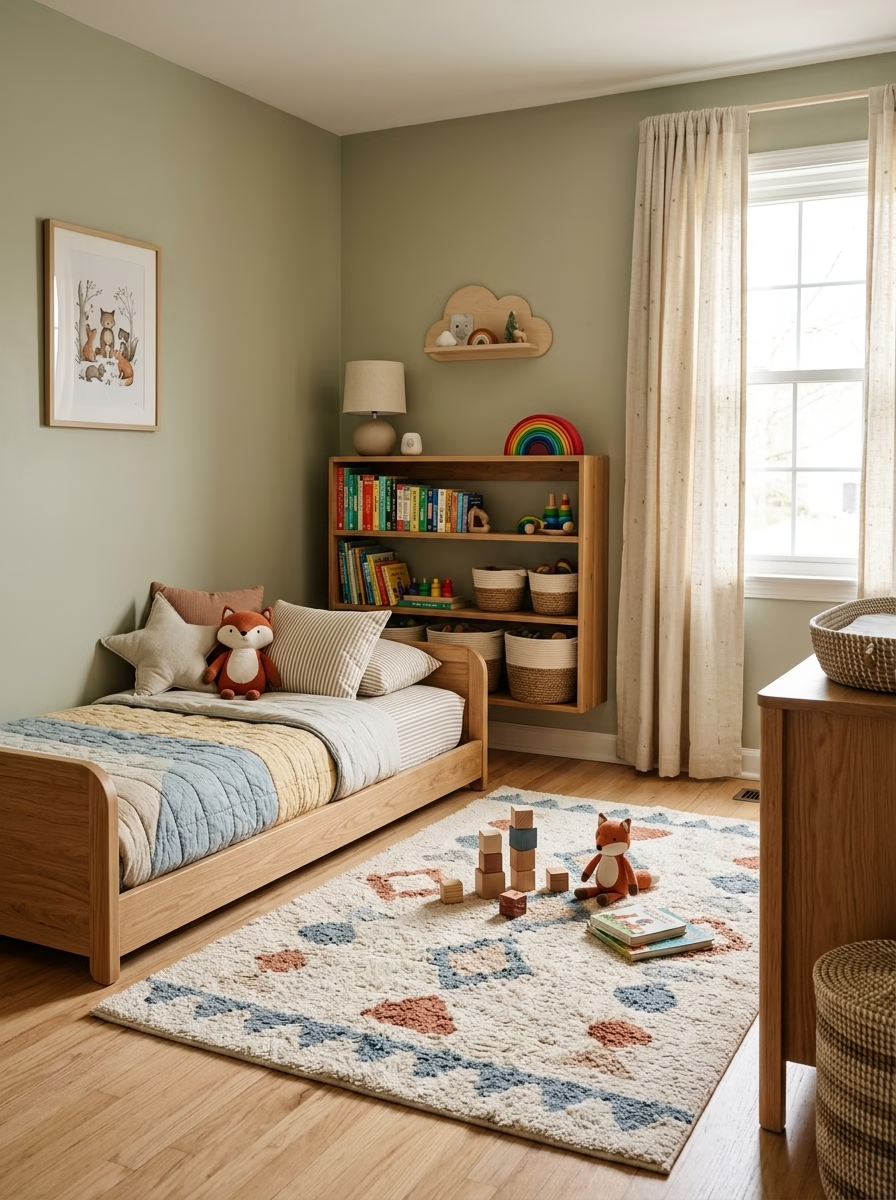
1. Toddler Bedroom Ideas That Actually Survive the Toddler Years
Toddler bedroom ideas need to account for one thing above everything else: toddlers test furniture in ways nobody expects until it happens. Skip anything with sharp corners, choose furniture low enough that climbing on it isn’t a serious fall risk, and anchor anything tall — bookshelves, dressers — to the wall no matter how sturdy it looks in the store.
Floor space matters more at this age than at almost any other, since toddlers spend so much time playing at ground level. A soft rug and a clear, open area in the middle of the room does more for a toddler’s room than any amount of decor on the walls.
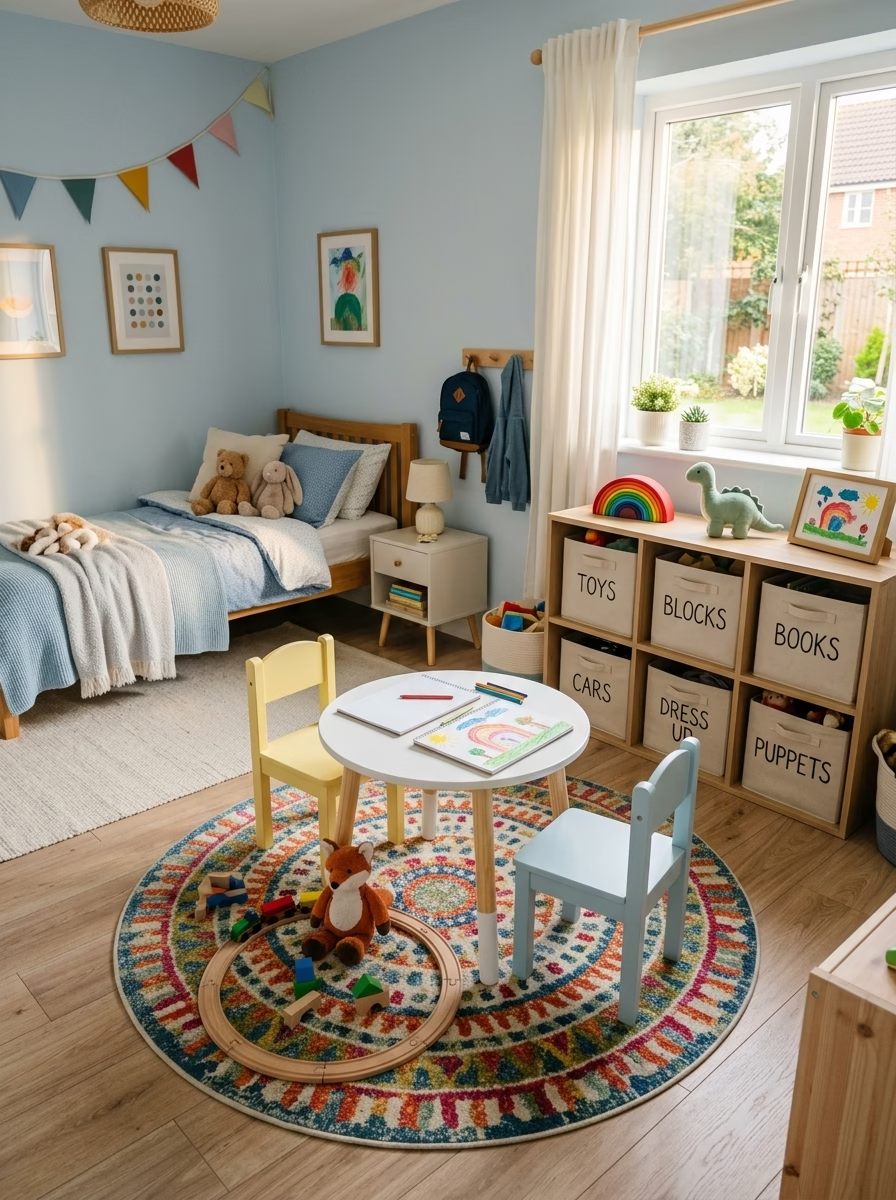
2. Playroom Ideas That Don’t Need a Separate Room
Not every home has space for a dedicated playroom, and honestly, that’s fine. Good playroom ideas can absolutely live inside a bedroom instead. A low shelving unit with labeled bins, a small table and chairs in one corner, and a designated play rug all carve out a functional play zone without needing an entire extra room.
Keeping toys contained to one clear zone, rather than scattered throughout the bedroom, also makes cleanup dramatically easier — which matters more than almost any aesthetic choice once you’re the one doing the cleaning at 8pm.
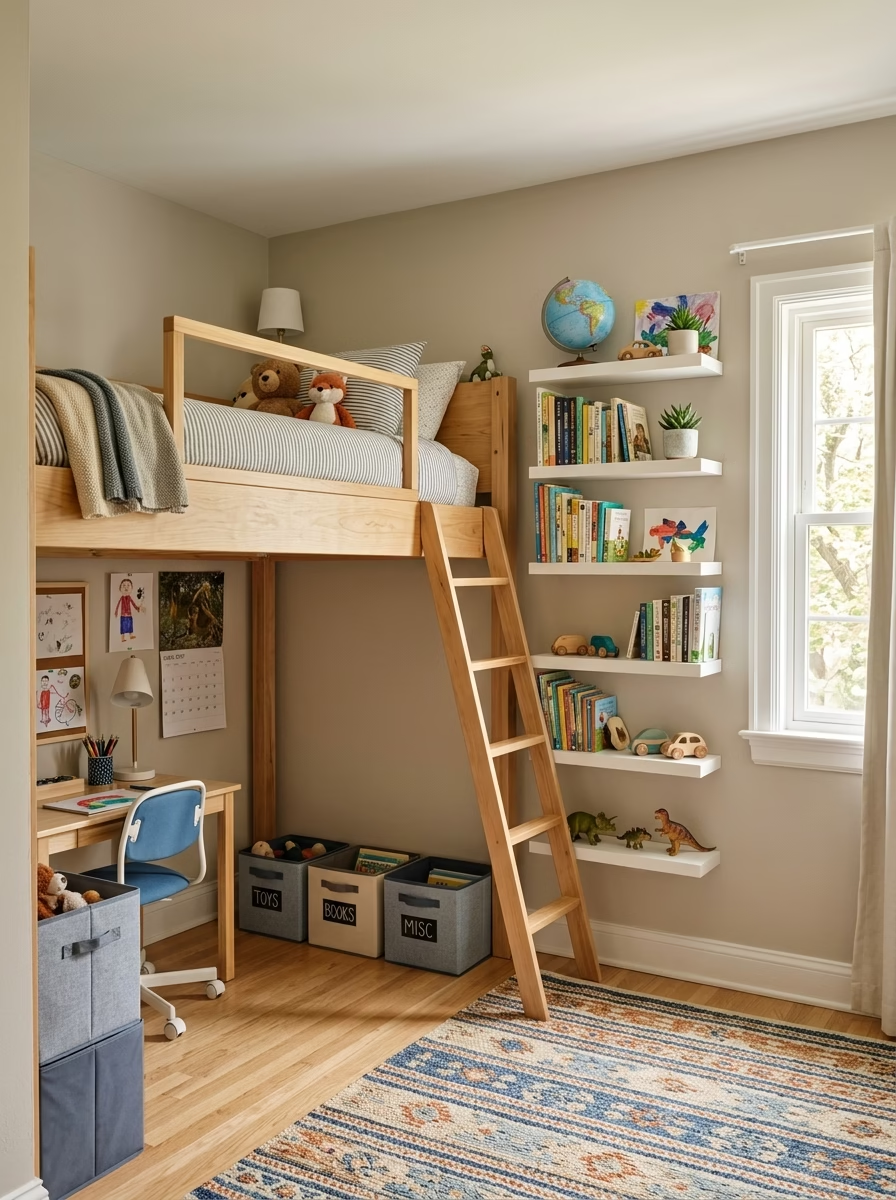
3. Small Kids Room Layouts That Maximize Every Corner
A small kids room benefits more from smart storage than from clever decorating tricks. Under-bed storage bins, wall-mounted shelves instead of freestanding bookcases, and a loft or bunk bed setup if the ceiling height allows all free up floor space that a small room desperately needs.
Multi-purpose furniture helps a lot here too — a bed with built-in drawers, a desk that folds flat against the wall, a storage ottoman that doubles as extra seating. In a small room, every piece of furniture should be doing at least two jobs if it can.
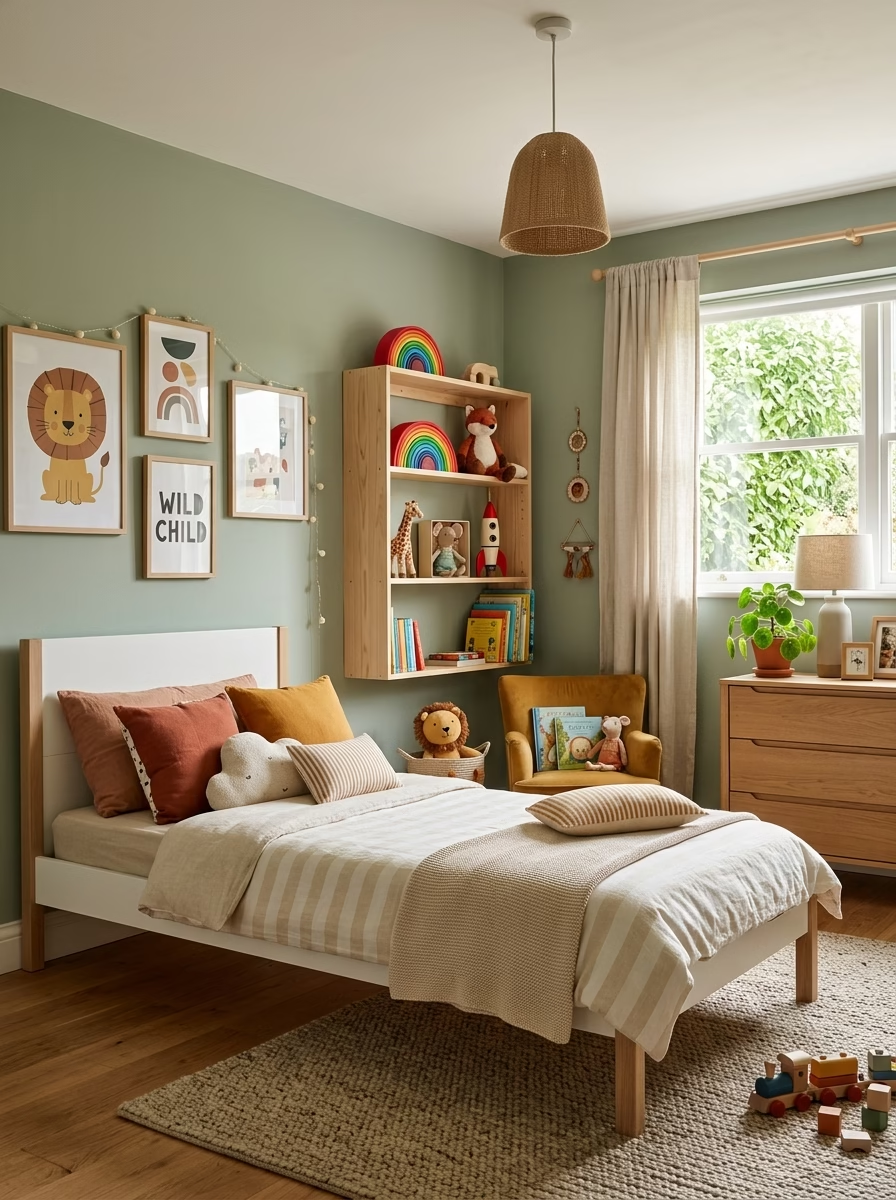
4. Stylish Kids Room Palettes That Don’t Look Babyish
A stylish kids room doesn’t need primary colors and cartoon characters to feel like it belongs to a child. Softer, more sophisticated palettes — sage green, warm terracotta, dusty blue — read as intentional and give the room a longer shelf life than anything overtly themed. Add personality through swappable elements instead: art prints, bedding, a few favorite toys on display.
This approach also saves money long-term, since repainting a whole room every time a phase changes gets expensive fast. A neutral base with rotating decor solves that problem before it starts.
5. Daughters Room Ideas Beyond the Pink Everything Phase
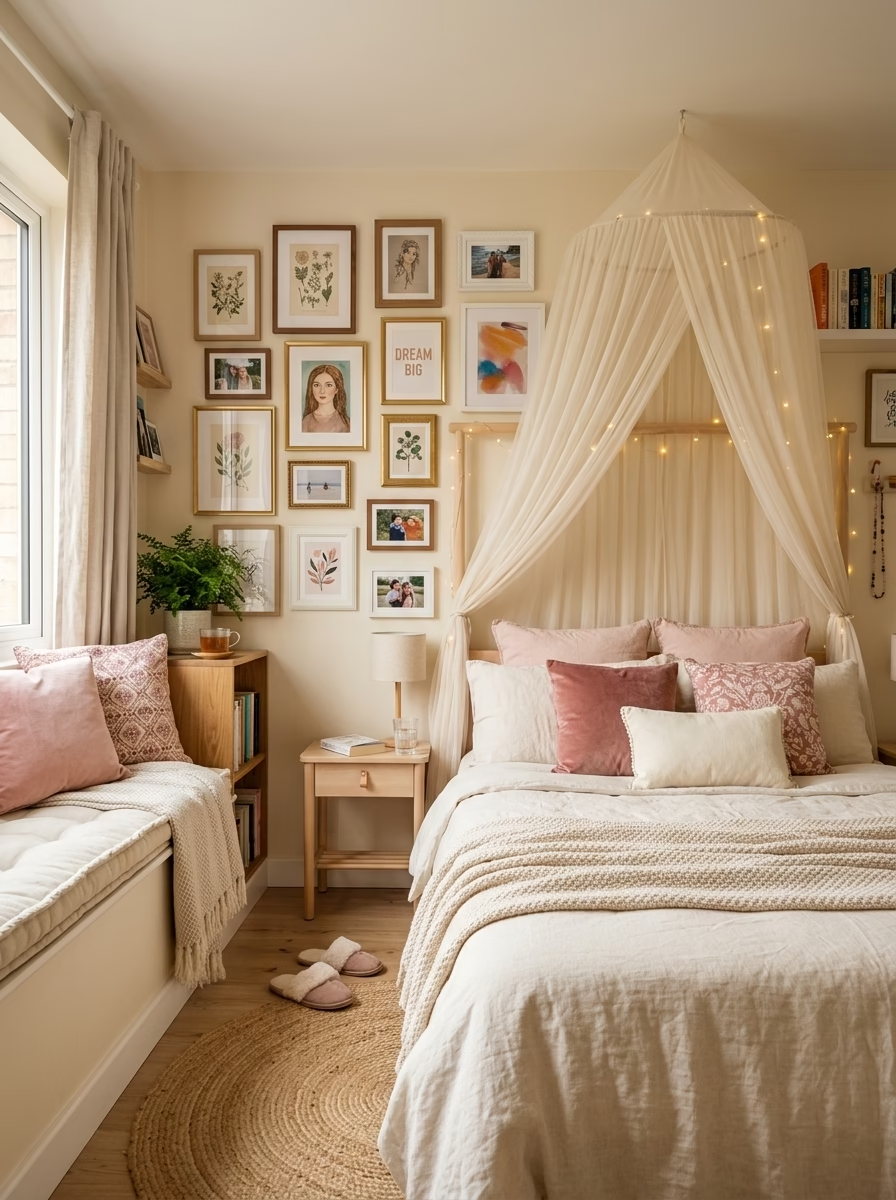
Daughters room ideas don’t have to default to pink on every surface, even if that’s genuinely what she’s asking for at age five. A better approach uses one or two accent colors — pink included, if that’s the request — against a more neutral base, so the room can shift as her taste changes without a full repaint.
A canopy over the bed, a gallery wall of art she picks out herself, or a reading nook with a soft cushion all add personality and a sense of ownership over the space, regardless of the specific color palette involved.
6. Kids Room Decor That Grows With Them
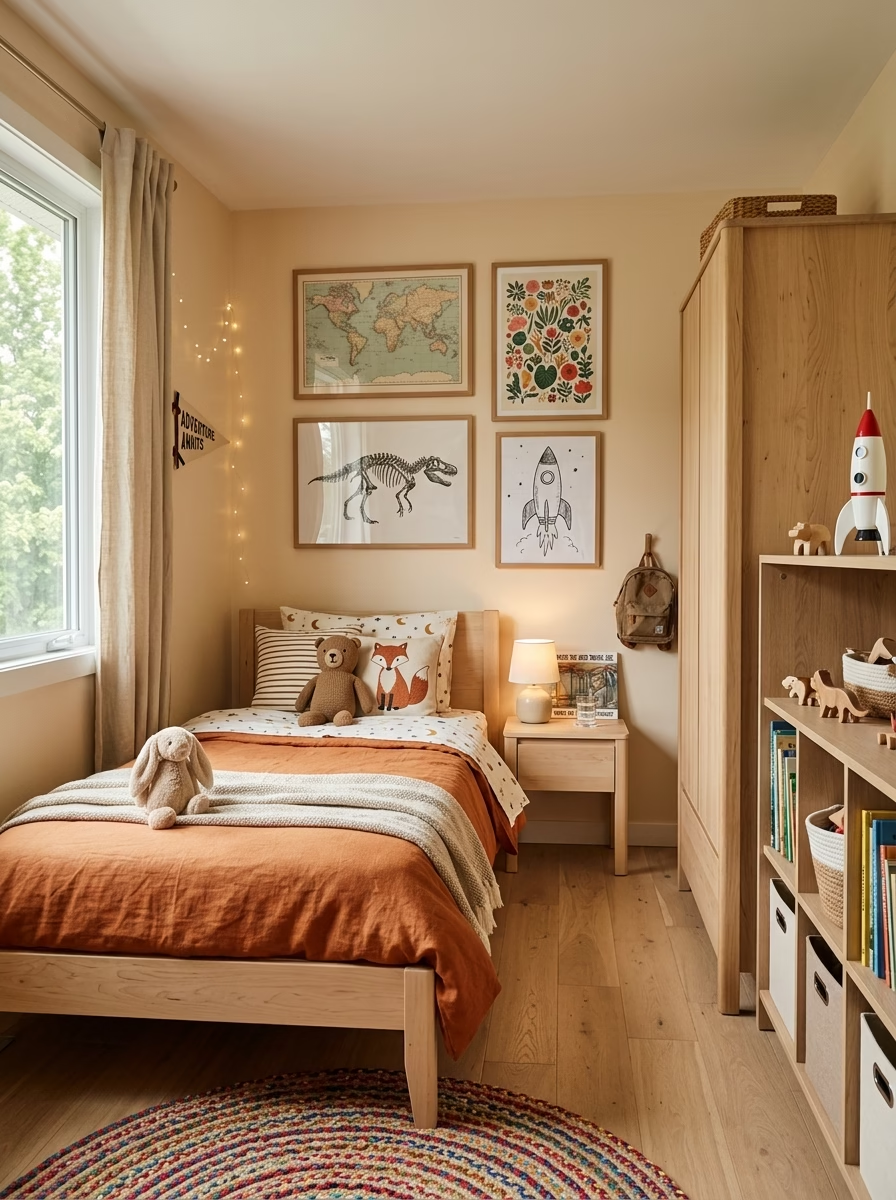
The best kids room decor is built around a base that doesn’t need to change even as interests shift year to year. Solid furniture, neutral walls, and good lighting form that base; posters, bedding, and small decor items handle the personality, and those are easy and cheap to swap out compared to furniture or paint.
This approach saves a genuine amount of money and hassle over the years. Instead of a full redecoration every time a favorite show or hobby changes, you’re just updating the layer that was always meant to be temporary.
7. Kids Bedroom Decor Storage Tricks Parents Wish They Knew Sooner
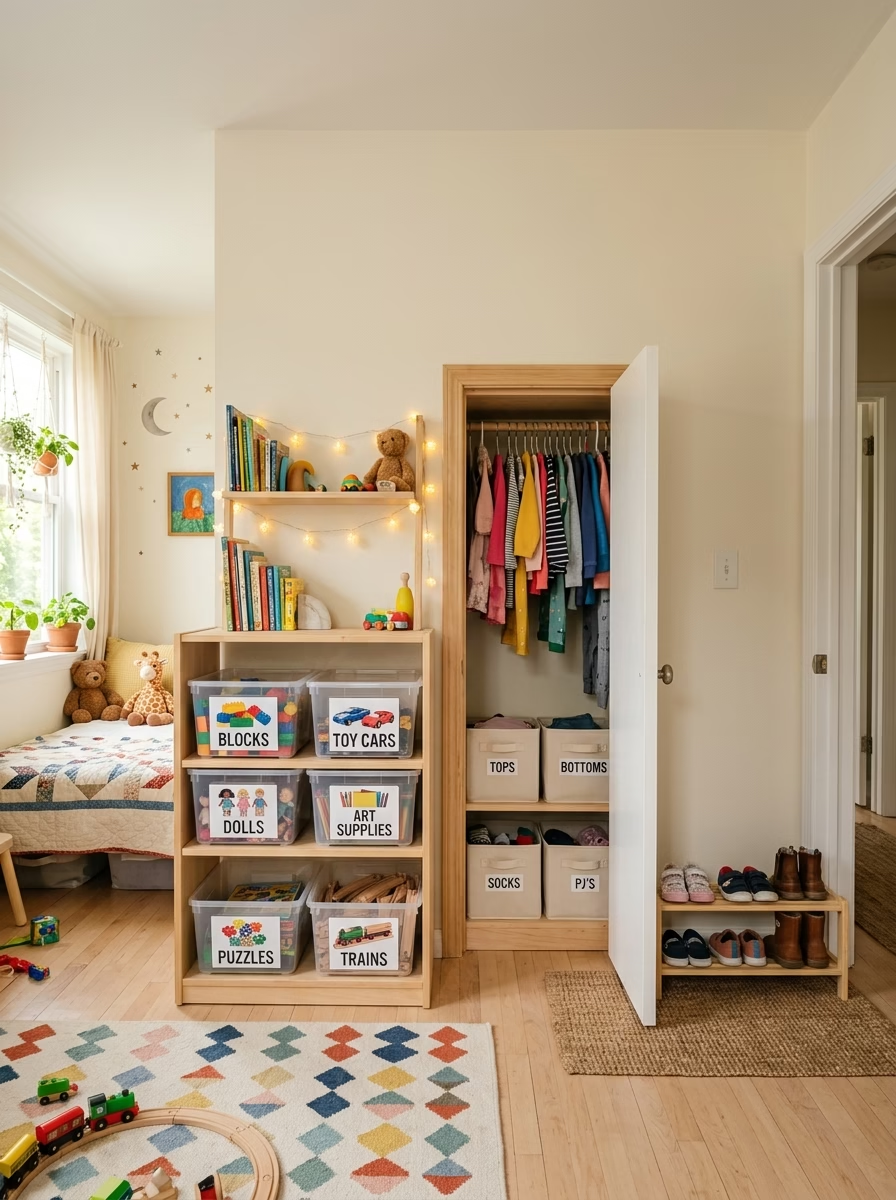
Good kids bedroom decor almost always comes back to storage, since kids accumulate stuff faster than almost anyone else in the house. Bins with labels — even picture labels for kids too young to read — teach younger children where things go and make cleanup something they can actually do themselves rather than something a parent has to manage entirely.
Closet organizers sized for kids’ height, a designated spot for shoes right by the door, and open bins rather than lidded boxes for daily-use toys all reduce the friction that leads to stuff just piling up on the floor.
8. Kids Room Interior Design Basics That Make Cleanup Easier
Solid kids room interior design isn’t just about how the room looks, it’s about how easy the room is to actually maintain day to day. Washable rugs, durable fabric on any upholstered furniture, and surfaces that can handle marker or paint incidents without permanent damage all save a huge amount of stress over the years a child spends in that room.
Keep breakable decor items up high or skip them entirely in a young child’s room. A room that doesn’t require constant “don’t touch that” reminders is a room that actually gets to feel like the child’s own space.
Planning Ahead Pays Off
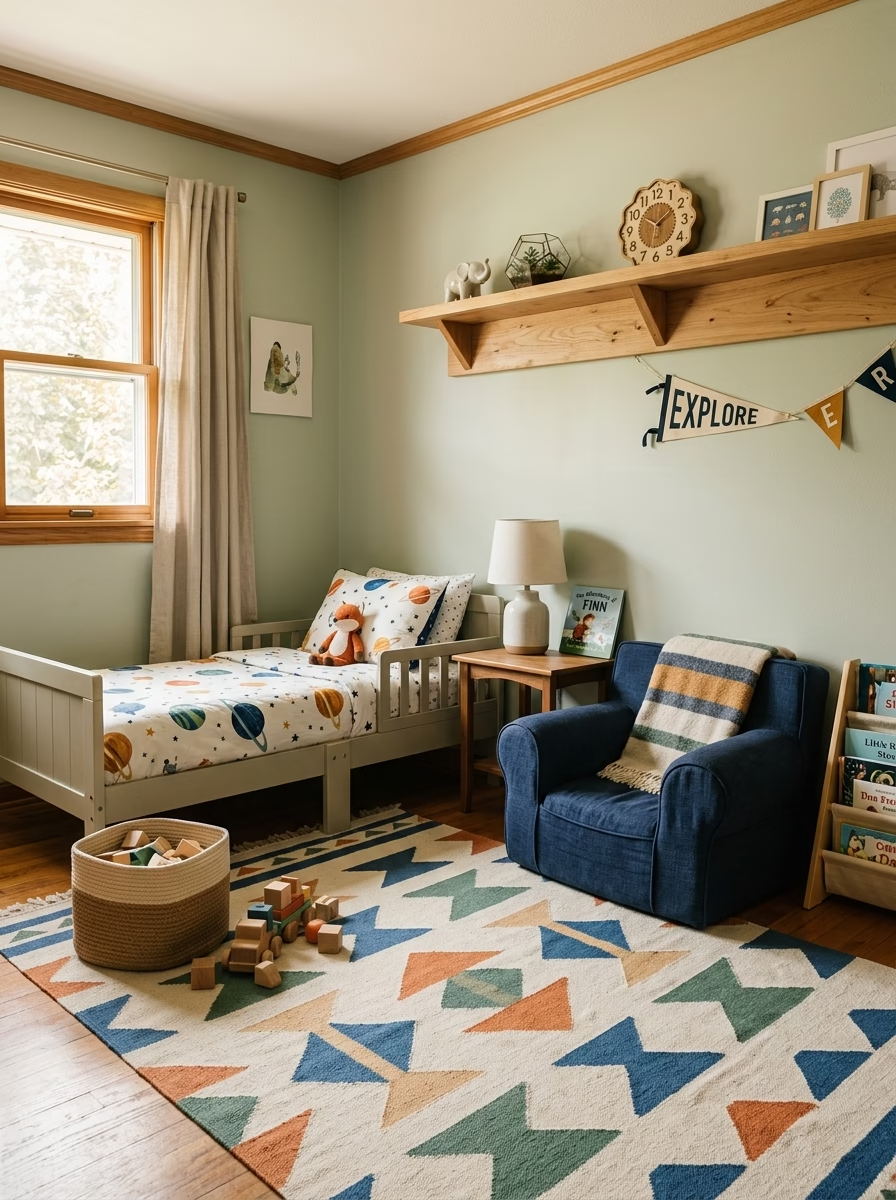
Every one of these eight ideas comes down to the same underlying principle: plan for how the room will actually be lived in, not just how it’ll look in a single photo. Children’s bedroom ideas that account for growth, mess, and changing interests from the start save parents from redoing the whole room every couple of years. Whatever kids bedroom inspiration you’re pulling from, look past the styling and ask whether the layout and storage would actually hold up to daily use — that’s usually the difference between a room that lasts and one that needs constant fixing.

I’m Francisco Lopez, founder of The Dreamy Vibe, a home decor blog built on one simple belief: every home can feel beautiful, cozy, and personal. Here I share fresh decor ideas and practical styling tips to help you create spaces you truly love — whatever your style or budget.


